
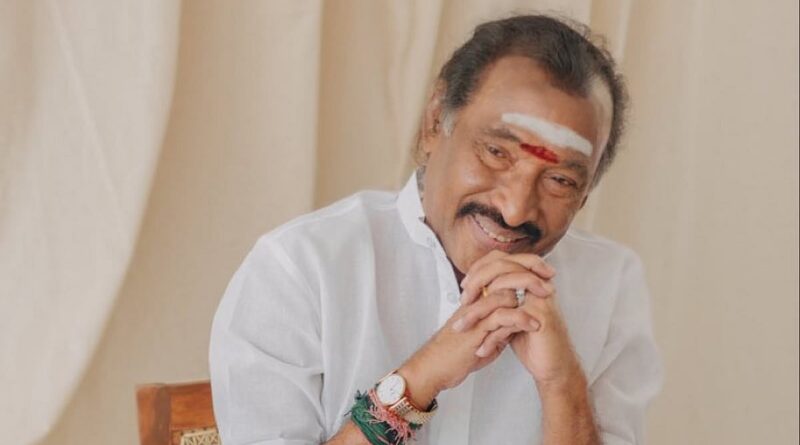
Deva: When Thenisai breezed through Chennai
Four days ago, when Jailer 2 opened in theatres, it wasn’t just the theme from Annamalai (1992) that resonated with fans, but it was also the sound of boots striking the ground from the theme of Baashha (1995). Deva composed both pieces, establishing himself as an important composer in Tamil cinema music, even when a Maestro and a Mozart reigned high. Moving beyond conventional approaches, the composer brought out the voice of the streets and the people to whom it belongs. Deva’s use of gaana has always been signified by love: love for music, love for Chennai, love for the family, love for a partner, and love for the cause. In this article, CE looks at eight songs in which the eight songs in which the composer used a distinctly Chennai genre and its elements to explore different types of love.This song has no breaks, only beats. Beneath this song’s upbeat, fast pace lies a smidge of sadness about the troubles of poverty. While the singer, Deva’s brother Sabesh, happily declares this a celebration of the ezhai janam (poor people), another line sings, ‘paavam andha vaithuku pasika solli thandhadhaaru’ (who taught that poor stomach hunger). Deva’s use of gaana may have popularised the genre, but lyrics like these popularised the city’s stories, including those of the coastal Kasimedu area of Chennai referenced in the song. But the biggest wonder that this song evokes is when they retold the Ramayana within a 30-second interlude withinWhile we can talk endlessly about how Deva popularised a very Chennai genre by way of tunes, the composer also used references to theatres in the city as a way of personalisation. In this song, it references popular Chennai theatres like the Devi, Shanthi, Kamala, and Krishnaveni. But they are cheekily used to refer to the women being wooed by the hopeless romantics, from whose perspective the song is set. But like every good gaana song, we also get some lines about the tough road to finding ‘true love’ past castles in the air.Among the elements that make up gaana, the dholak is ubiquitous. In this song, Deva blends gaana with Hindustani elements, creating a seamless cultural fusion. The composer mixes the dholak and tabla for the percussion, as we hear the tale of a horse cart driver recounting the tale of how he spent a very heartfelt time with his wife in Madras when they went to the shops of South Usman Road to watch Kadhal Kottai (1996), a film with Deva’s own music, in the Devi Theatre.