
When cinema lowers our defences
CHENNAI: Filmmaker Sasi, in a recent interview, was unable to wrap his head around the possibility of critics crying while watching a film, even if it was his own. He wasn’t buying it. He felt it was an exaggeration.
Maybe critics aren’t supposed to admit such things. We spend our lives pulling films apart—writing about performances, intent and craft. Somewhere along the way comes the unspoken belief that you should never completely surrender to what is unfolding on screen. You’re expected to keep a safe distance.Long before previews, deadlines and ratings, films were simply magic. You walked into a theatre hoping to be transported. Every now and then, despite yourself, that still happens.
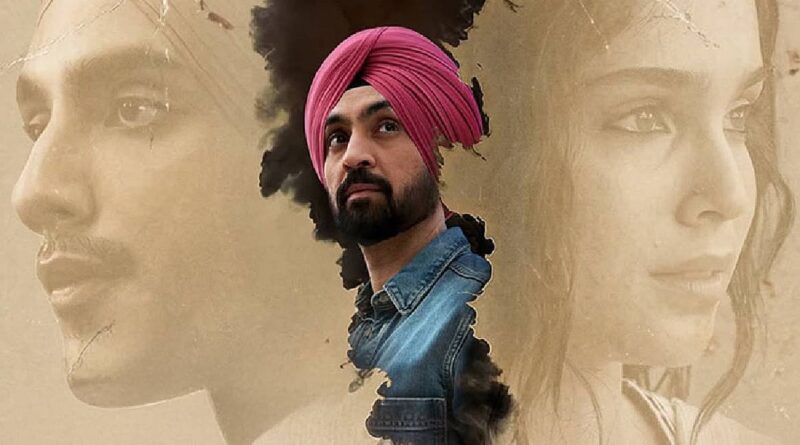
Main Vaapas Aaunga did that to me, largely because of Naseeruddin Shah. As Ishar Singh Grewal—Keenu to the woman he has spent a lifetime remembering—he barely raises his voice. He doesn’t need to. A pause, a glance, a sentence left unfinished; somehow they carry the weight of decades.By the time Keenu unfolds an old, crumpled poem, with A R Rahman’s music gently rising beneath Irshad Kamil’s words, you aren’t confusing fiction with reality. The film has quietly prepared you for that moment.
So, do critics cry? Sometimes, yes. Not because they stop being critics. But because, every once in a while, a film reminds them of the person who first walked into a darkened theatre simply hoping to be moved